
The first parcel you send is a small event. You wrap three jars of marmalade in far too much bubble wrap, write the address twice to be sure, and spend the next two days wondering if it arrived in one piece. Then a message comes in: "Box was a bit squashed but all fine!" and you breathe out.
By the twentieth parcel it can't be an event any more. It needs to be a routine that you trust, one that doesn't eat your evenings and doesn't end with a photo of broken glass. Here is how we would set it up, step by step, for a small producer shipping food.
1. Decide what ships well, and what stays local
Not everything you make should go in the post. Start by sorting your products into three groups. The easy ones are shelf stable and sturdy: dried pasta, granola, tea, hard biscuits, spice blends. The careful ones are fine to ship with the right packaging: jars, bottles, honey, preserves. The awkward ones need cold or are fragile and short lived: soft cheese, fresh cakes, cream, anything with a short shelf life.
Many small producers only ship the first two groups and keep the third for local delivery or collection. That's a fair choice. A cream filled cake that spends two days in a warm van makes nobody happy, and the customer will remember the cake, not the courier. If a product only works locally, say so clearly on its page, so people don't find out at checkout.

2. Packaging for jars, bottles and chilled goods
For glass, the rule is that nothing should touch anything else. Each jar gets its own sleeve or wrap, the jars sit with a gap between them, and there's a layer of padding under, over and around. Shake the closed box gently. If you hear clinking, it isn't ready. Corrugated card dividers or moulded pulp inserts cost a little but save a lot of awkward emails. Tape lids if there's any chance they could loosen, and put liquids in a sealed bag in case one does break, so it doesn't ruin the rest.
Chilled goods are a different job. You need an insulated liner or box, enough ice packs for the whole trip plus a margin, and a promise from the courier that it will arrive the next day. Test it before you sell it. Pack a box exactly as you would for a customer, leave it in the hall for 24 or 48 hours, then check the temperature inside and the state of the product. If it fails at home, it will fail on the road.
Write on the box what's inside where it helps: "glass, this way up" for jars, "keep refrigerated on arrival" for chilled food. Not everyone in the chain will read it, but some will.
3. Couriers, delivery days and local rounds
Choose your shipping days around the product, not around whatever else is on the calendar that week. For chilled or fresh food, ship early in the week, Monday to Wednesday, so a parcel never sits in a depot over the weekend. For jars and dry goods you have more room, but a fixed pattern still helps: you pack on Tuesdays and Thursdays, the courier collects at three, and customers know what to expect.
Try more than one courier for a few weeks before committing. Send test parcels to friends in different areas and see what turns up, how fast and in what state. Ask about tracking, about collection times, and about what happens when nobody is home, because a jar of jam left on a doorstep in the rain is one thing and a box of cheese is another.
For customers close by, your own local delivery round can be simpler and kinder to the product. One evening a week, a set area, a minimum order if you need one. Plenty of producers end up with both: a courier for the rest of the country and a local round for the nearby towns.
4. Packing slips, telling customers, and when things go wrong
Pack from a slip printed from the order itself, not from memory or from a screenshot of an email. Tick each line as it goes in the box, and put a copy inside. It catches the missing jar before it leaves, and when a customer says something is missing you can check exactly what was packed.
Tell people when their parcel ships. A short message with the tracking number on the day it leaves saves you a lot of "has my order gone yet?" emails. If something will be late, say so before they have to ask.
Some parcels will arrive damaged however careful you are. Decide your policy in advance: ask for a photo, then replace or refund without arguing over a single jar. Keep the photos and note which courier and which packaging it was. If the same thing breaks twice, change the packaging. If it keeps happening with one courier, change the courier.
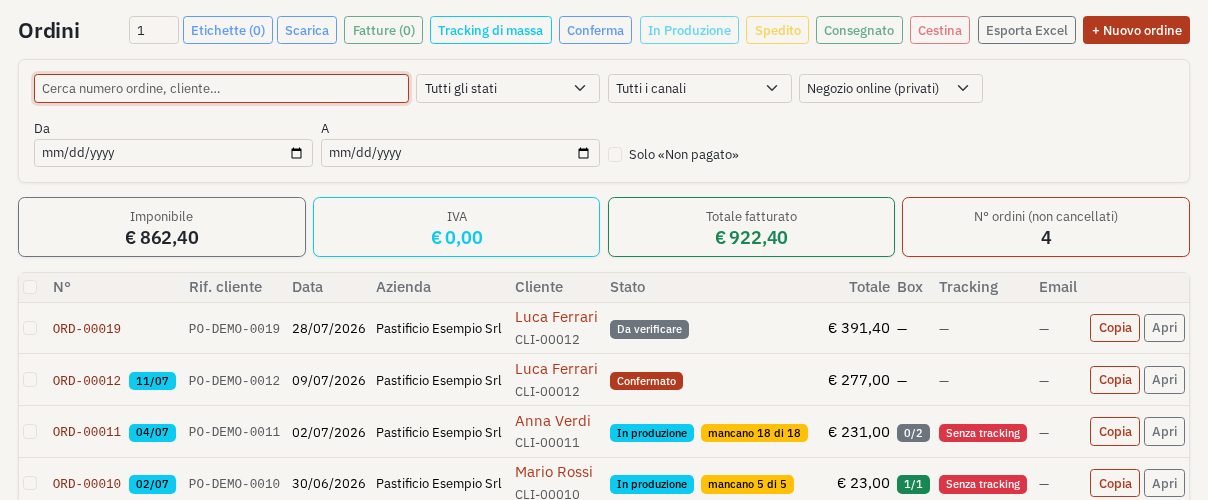
Shipping gets easier quickly once the routine is fixed: what you ship, how you pack it, which days, which courier, and a slip that matches the order. When orders pick up, keeping orders, packing slips and the messages to customers in one place means less copying, and fewer evenings spent at the kitchen table with a roll of tape.