
A limited batch is one of the nicest things a small producer can sell. The aged cheese that is ready in March, the single variety cider, the forty boxes of chocolate made only for Easter. People like to book them early, and it helps you, because you know before you start how much to make.
The trouble starts when the bookings come from everywhere. A message on Instagram, a note taken at the market, two emails, a shop that rings to say put us down for twelve. A few weeks later you count the jars and find you promised more than you have. Then you write the email nobody likes to write. Here is how we would avoid it.
1. Decide the numbers before you open
Start with what you can really make. Not the best case, the honest one, with a little kept back for breakage and for the regular shop that always forgets to book. If the batch can give two hundred jars, open pre-orders for one hundred and eighty.
Then set the simple rules. How many each person can book, when you will close the list, when the goods will be ready and how people pay. Some producers take payment up front, some take a deposit, some only take a name. Pick one and write it in the same words everywhere you announce the batch, so nobody gets a different promise.

2. Put every booking in one list
This is the part that matters most. It does not matter where a booking comes from, it goes into the same list the same day. Name, contact, what they want, how many, how they will pay and how they will collect or receive it. A note on a phone is fine at the market, as long as it is copied in that evening.
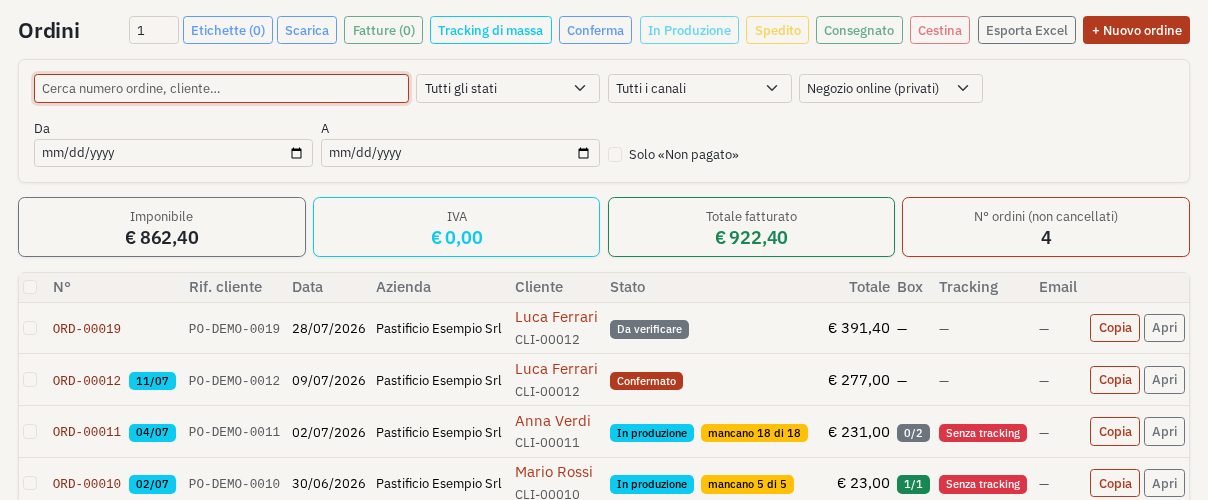
The best way is to record each booking as an order from the start, with its own status, for example confirmed but not yet delivered. Then the total that is already promised is always one sum away, and you never have to add up three notebooks to know if you can say yes to the next caller.
3. Keep an eye on what is left
Once the bookings are orders, you can see at a glance what is still free: what the batch will give, minus everything already booked. Look at that number before you answer a new request. When it gets close to zero, say so in your next post. Only a few left is honest, and it often brings in the people who were waiting.
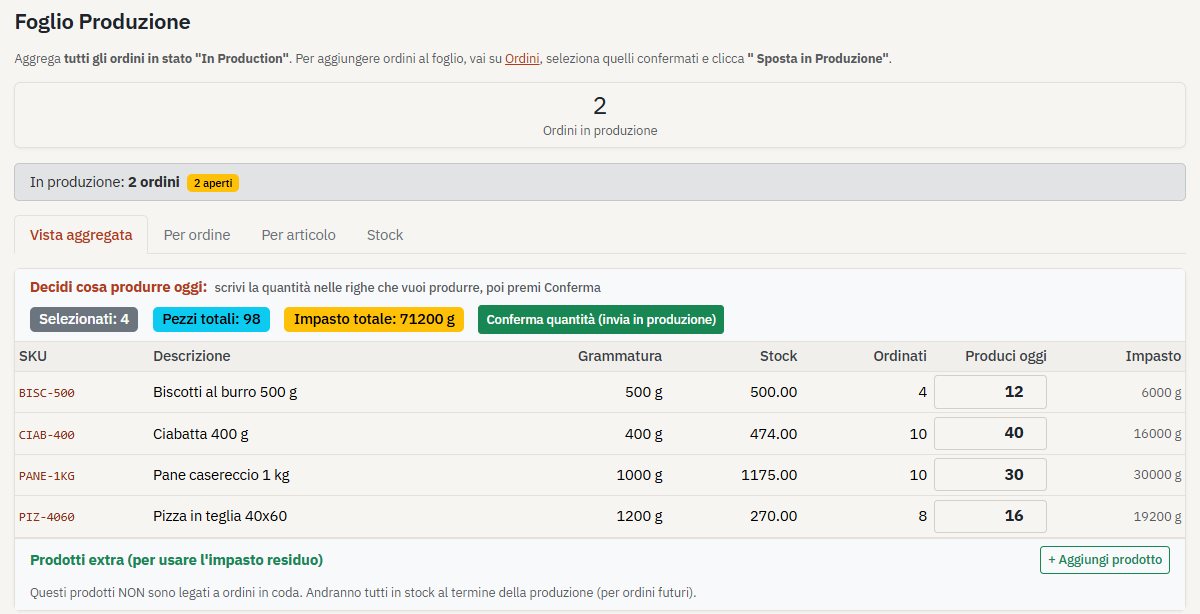
When the batch is finally made, you know exactly how many went into it, and you can tie each order to that batch. The delivery note shows what each customer received, and if something is ever wrong with one batch you know at once who has it.
4. Deliver on time and use the list again
On the day the batch is ready, work through the list in order. Pack, send or hand over, mark each order delivered and send the invoice or receipt. People who booked early should get theirs first. They trusted you before the product existed.
Then keep the list. The people who pre-ordered once are the first ones to tell next time, and a short message saying the next batch opens on Monday will often fill half of it in a day. After two or three rounds you will know your numbers well enough to plan the batch around them, which is the whole point of taking pre-orders in the first place.