
It's late on a Friday and the phone rings. A customer has found something wrong with a jar, and the lid has a batch number on it. The question now is simple: who else got jars from that batch? Can you answer in ten minutes, or will it take the whole weekend and a pile of invoices?
That, in a nutshell, is batch traceability. It sounds like something only factories deal with, but for a small producer it's mostly a habit, and with the right setup it costs almost no extra time.
1. What traceability means for a small producer
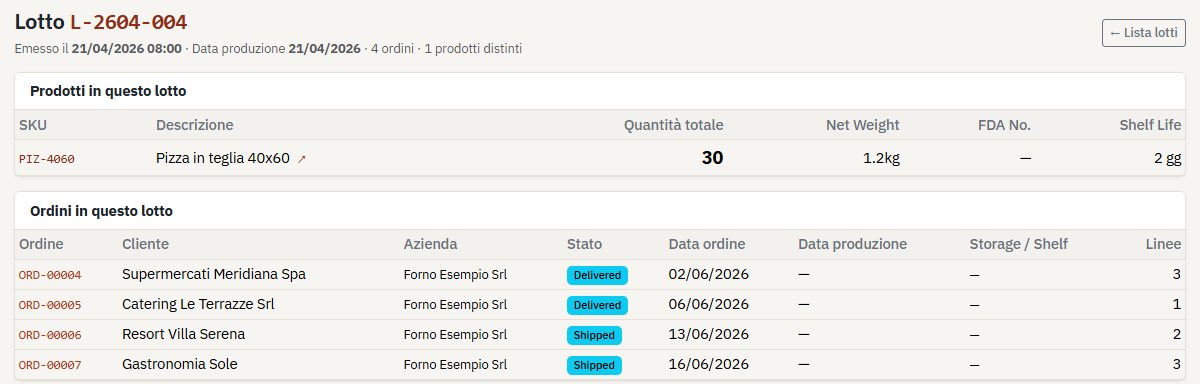
A batch, or lot, is a set of products made together, on the same day, from the same ingredients, in the same way. Being traceable means you can quickly answer two questions. Looking back, which ingredients went into the batch and who supplied them? Looking forward, which customers received it?
In the UK, the EU and many other places, food businesses are expected to keep this "one step back, one step forward" record. Exactly what you need depends on your country and your products, so check with your local food authority. Shops, delis and restaurants are also asking their suppliers about it more and more often.

2. Why it's worth doing even if nothing goes wrong
The obvious reason is a recall. With a proper record you only contact the customers who got that batch, not everyone you've ever sold to. But it pays off on ordinary days too.
When a stockist asks "which batch did we get?" and you answer within a minute, you come across as a supplier who has things in hand. If one batch flies off the shelves or gets a couple of complaints, you can look back at what was different. And you stop relying on memory, which counts for a lot in a busy week.
3. Number your batches and link them to orders
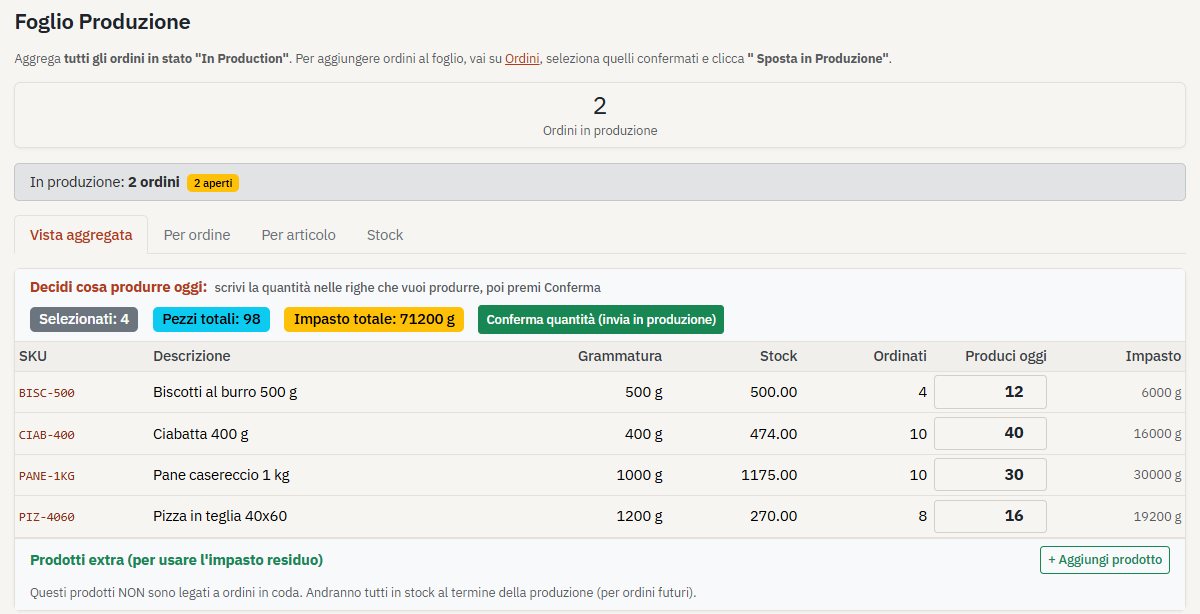
Choose a simple format and stick to it. Many producers use the date and a letter, so 261011-A is the first batch made on 11 October 2026. The format matters less than the rules: every number is used once, it's printed on the label or lid, and for each batch you note the date, the quantity and the main ingredients with your suppliers' own batch numbers.
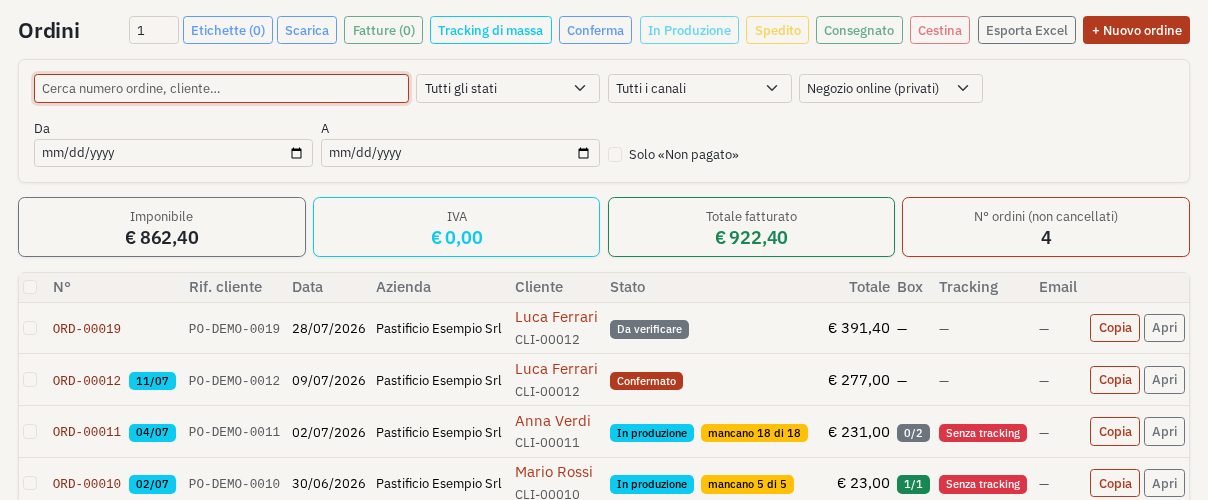
Most producers manage that part. Where it usually breaks down is the next step, writing down which batch went into each order. With orders coming in by email, phone, stockists and a website, that link is easily lost. You can keep it in a notebook, which is free but painful to search in a hurry. You can use a spreadsheet, which is easier to search but relies on someone copying every order, and mistakes creep in on hectic days. Or you can use a system where orders and batches live together. You pick the batch when you pack, the stock comes off that batch, and searching the number later shows every customer who received it.
4. A routine you can start this week
- Give every new batch a number, and note the date, quantity and ingredients.
- Print the number on every label.
- Each time you pack an order, write down the batch you used.
- Once a month, choose a batch at random and see how fast you can find all its customers.
- Keep your records as long as local rules require, often the shelf life of the product plus a margin.
That monthly test is the most useful part. If listing the customers for one batch takes more than a few minutes, fix it now, while nothing is wrong. Start on paper if you like, and once the habit sticks, move it into something that keeps orders, stock and batches in one place. Then, if that Friday call ever comes, you only need one search.